

An inquiry into the future of Australia’s hemp industry has been opened by the Senate, with stakeholders calling it a long-overdue chance to shift regulation of the crop away from drug laws and unlock its potential in farming and construction.
The inquiry is being conducted by the Rural and Regional Affairs and Transport References Committee. Submissions close on September 12, with a final report due by July 30, 2026.
Australian Industrial Hemp Alliance (AIHA) president Charles Kovess welcomed the move, describing it as “excellent news” that could provide the framework for a long-awaited step towards reform.

“These inquiries are hard to get initiated, so it’s a big step forward,” Kovess told Cannabiz.
“The whole game is: let’s make hemp big. Australia needs sensible regulatory frameworks. At the moment hemp is covered by drug legislation, which is ridiculous and unreasonable. That drives investors away.”
Kovess noted that despite containing less than 1% THC and being non-intoxicating, hemp remains regulated under drug laws. He argued it should be treated as a standard agricultural commodity, not a narcotic crop.
He used a “grapes and wine” analogy to highlight the need for regulatory separation.
“Grapes are grapes until you turn them into alcohol, then they’re wine,” he said.
“Cannabis is the same. Below 1% THC, it’s hemp, and it should be treated completely differently. A ‘hemp intoxicant’ is an oxymoron – you can’t get high on hemp, and you can’t get high on CBD.”
Tasmanian hemp farmer Tim Schmidt, who spent six years lobbying for the inquiry, agreed.
“What we’re essentially looking for is a legislated definition of industrial hemp – cannabis with less than 1% THC – removed from the poisons schedule and administered under the Department of Agriculture as a regular crop, not a drug,” he told Cannabiz.
Beyond separating hemp from drug laws, Kovess said the AIHA would push for governments to adopt international standards for hemp-based building materials rather than forcing Australians to prove their use in industries like construction.
“We call on governments to accept recognised global experience with hemp products instead of requiring people in the hemp industry to go through the whole proof-of-concept process again, particularly for building materials,” he said.
“Kevin McLeod from Grand Designs has called hempcrete the world’s best building material, yet our regulations – all in the name of safety – make it costly and difficult to use.”
He linked reform directly to Australia’s housing needs.
“The Albanese government has said ‘we need 1.2 million new homes, but we don’t have affordable raw materials to build them quickly’,” he said.
“Hemp can solve that problem, if we remove unreasonable regulations, and [change the attitude] of paranoid government officials who don’t want to do anything new.
“That will drive market demand for hemp, and when people can see [that], it will attract the investment the industry is ready for.”
Kovess said the inquiry could also give local councils the confidence to adopt hemp-based products and deliver on sustainability commitments.
“Hemp products have a massive impact on sustainable outcomes, circular economy outcomes, and on reducing net emissions,” he said.
“There are 537, local governments in Australia. All of them claim to be innovative. None of them are game to do anything new with hemp.
“I am scathing of the attitude of local municipalities to new products, to the wonderful solutions provided by hemp, because they are absolutely risk averse, despite claiming to be interested in innovation.
“We need an innovation culture in this country. This inquiry may well unlock that, and using hemp is going to have a massive positive impact across the board.”
Schmidt, meanwhile, agreed that hemp could make a substantial contribution to the construction industry given the right policy settings.
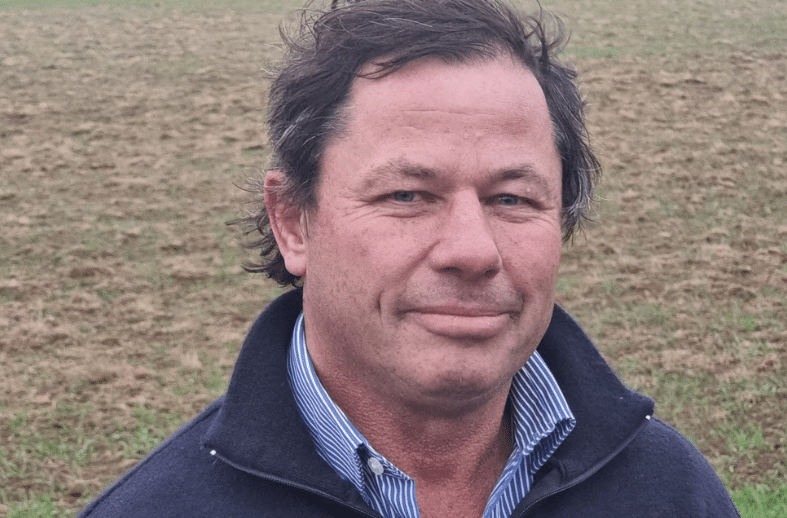
“Hemp can supply building materials to help address the housing crisis, while also delivering carbon sequestration benefits,” he said.
“Australia has world-class farmers and researchers – if government gets out of the way and let’s us do what we do really well, we can be world leaders.”
Both stakeholders urged widespread submissions ahead of the September deadline.
“This is something that needs to be shouted from the rooftops and get everyone galvanised to put submissions in,” Schmidt said.
More information, including how to make a submission, is available here.